TRANS-EUROPEAN NETWORKS
In 1994, the EU decided to take measures to counteract the increase in heavy traffic on the road and thereby promote ecological rail infrastructure and their sustainable development. The first step in this direction was taken with the development of the transport network TEN-T (“Trans-European Network -Transport”) in the 1990s.
In December 2013, the EU decided to expand the TEN axes into cross-border, multimodal transport connections. Nine TEN-T core corridors now connect Europe’s major ports with the railway infrastructure and its access routes by road.
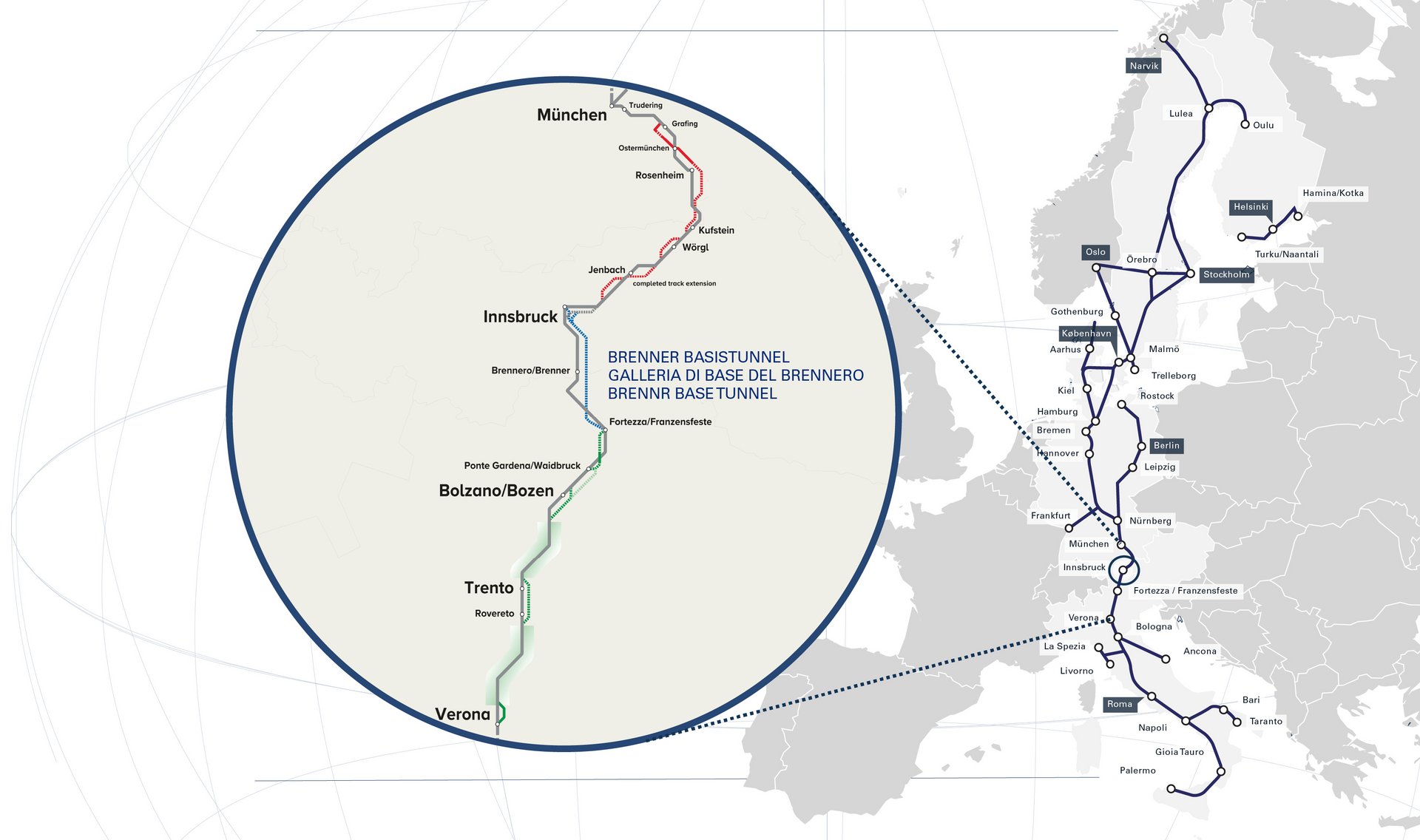
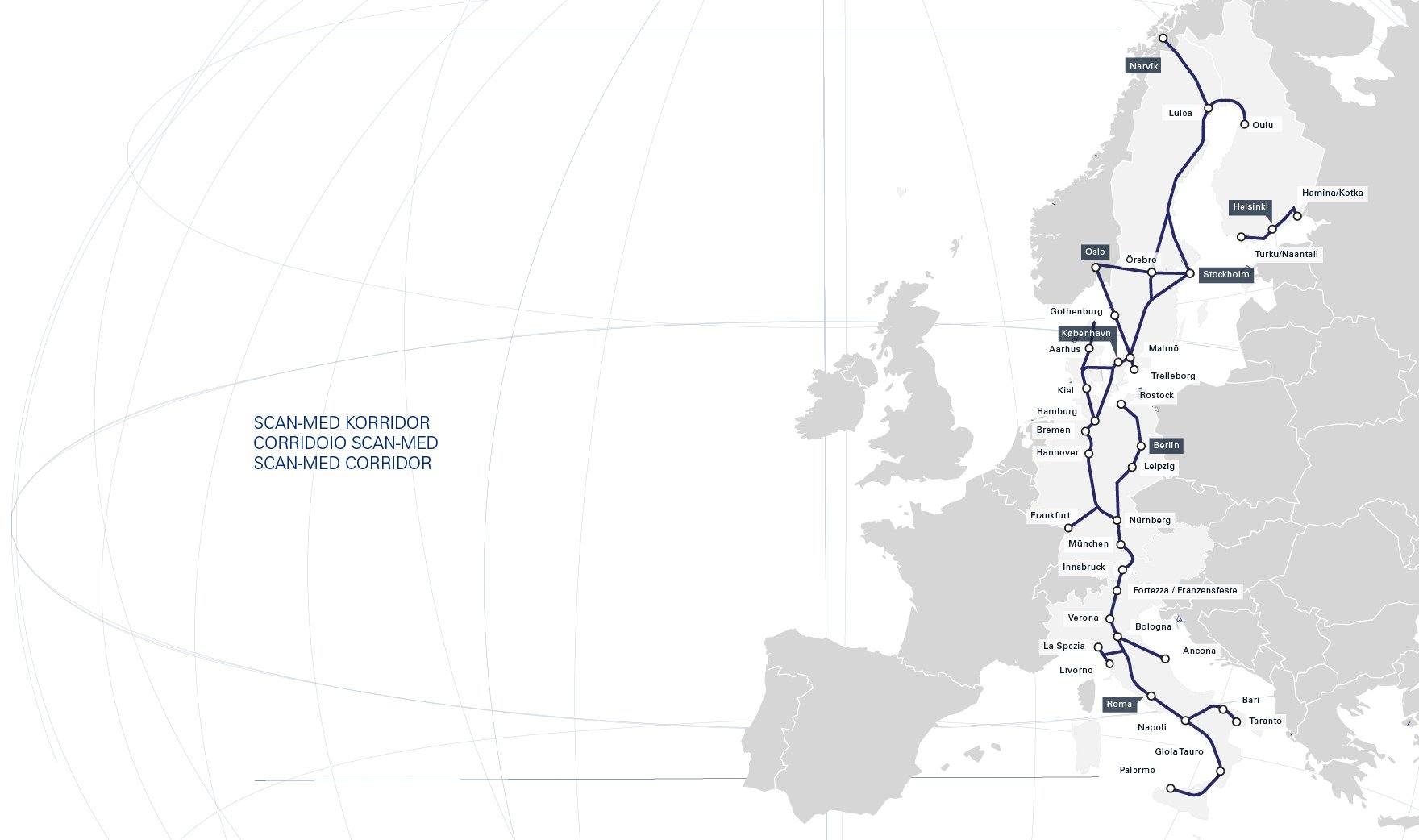
The Brenner Base Tunnel is part of the SCAN-MED corridor. This 9,000 km long corridor between Finland and Malta connects urban centres along the route with ports in Scandinavia and the Mediterranean Sea.
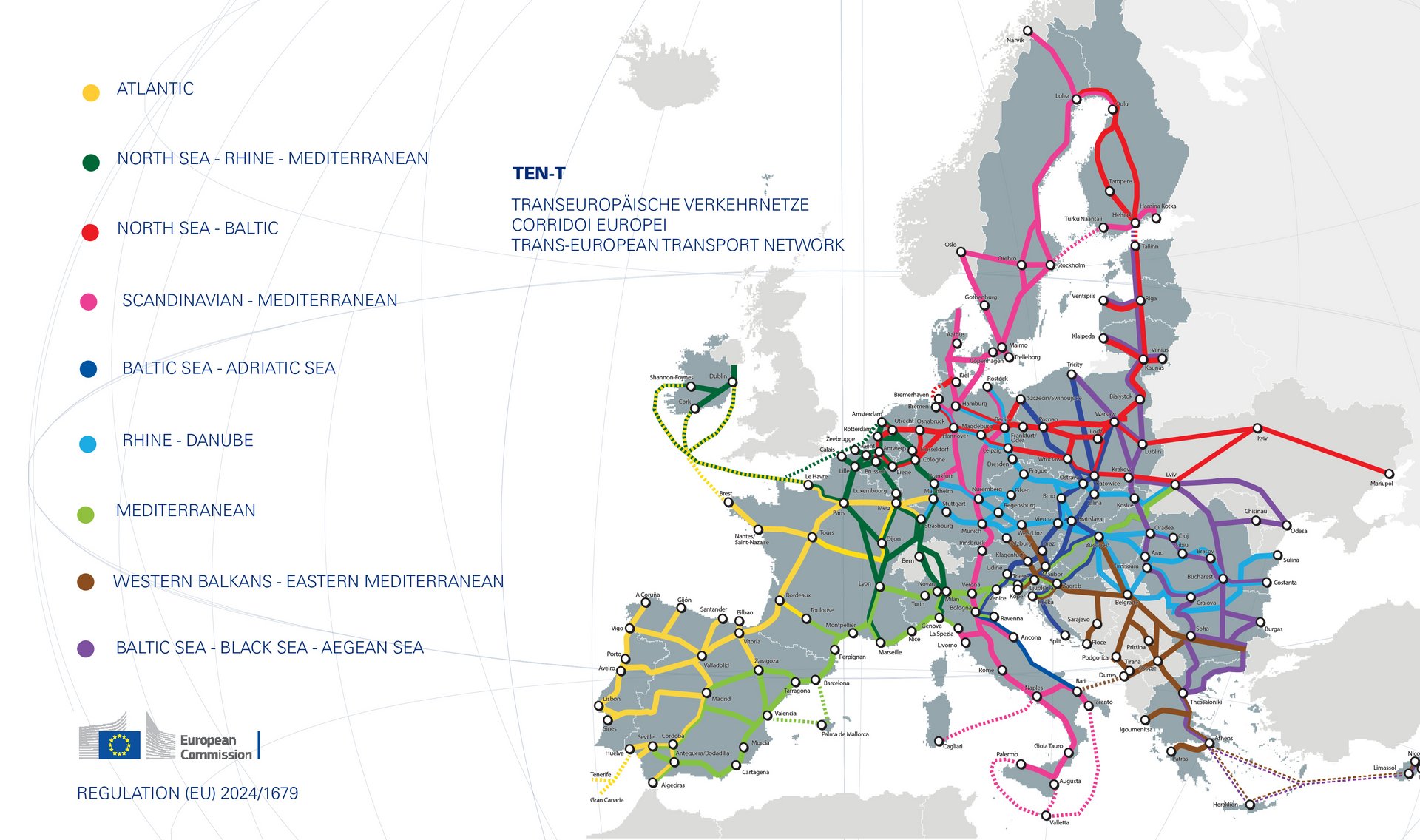
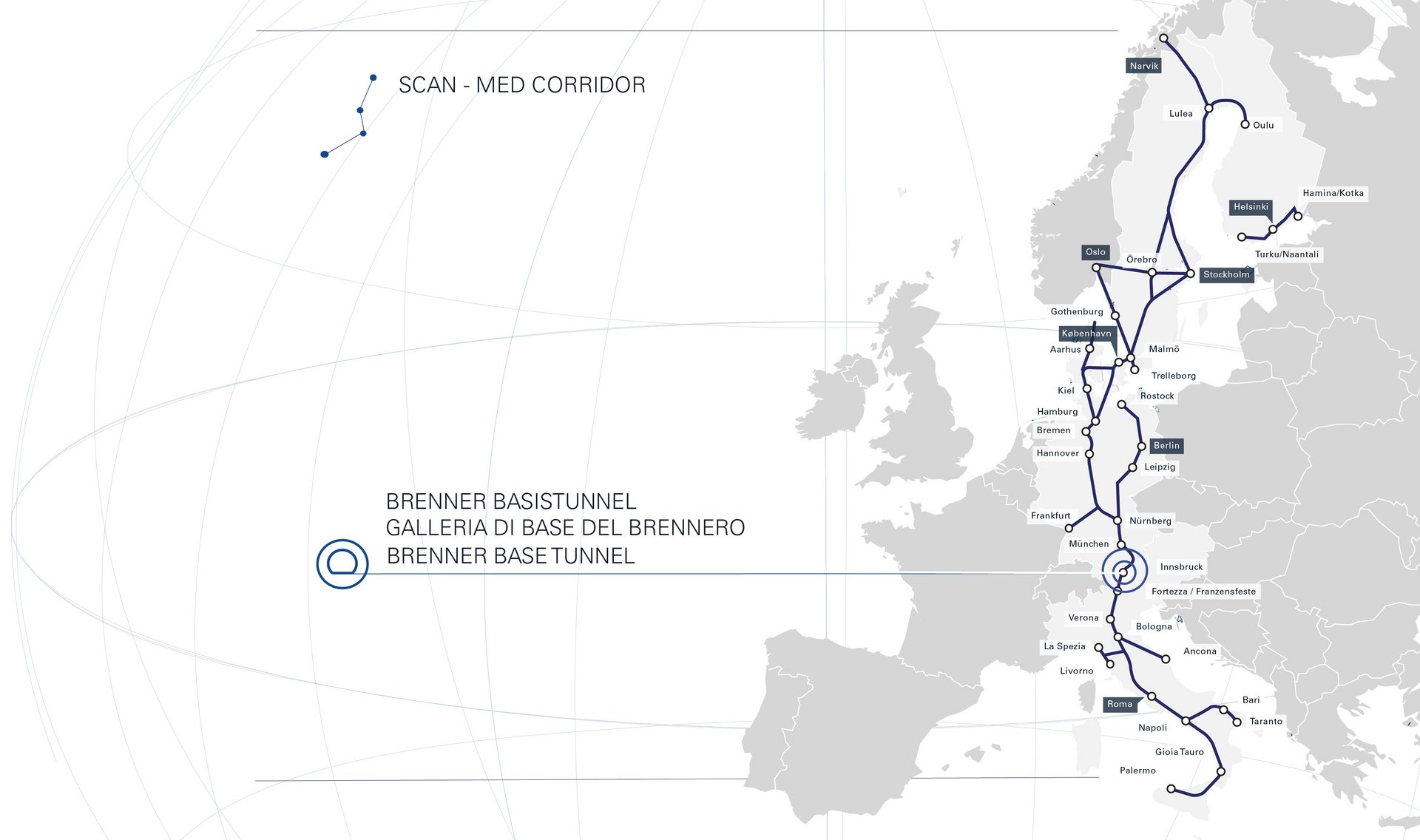
Particular importance is given to cross-border connections, the optimal use of existing capacities, environmentally friendly expansion and new construction, interoperability in all areas, and safety and reliability in passenger and freight transport.
The cross-border Alpine link between Munich and Verona represents a major bottleneck on the corridor. The elimination of this bottleneck through the construction of the Brenner Base Tunnel is crucial for the realisation of the SCAN-MED corridor, which connects northern and southern Europe.
Together with other TEN-T axes in the Alpine region, the Brenner Corridor will form a complex network of high-capacity rail connections. Together, these networks will contribute to achieving environmental goals and ensuring the shift from road to rail that is necessary for the future of the ecologically sensitive Alpine region.
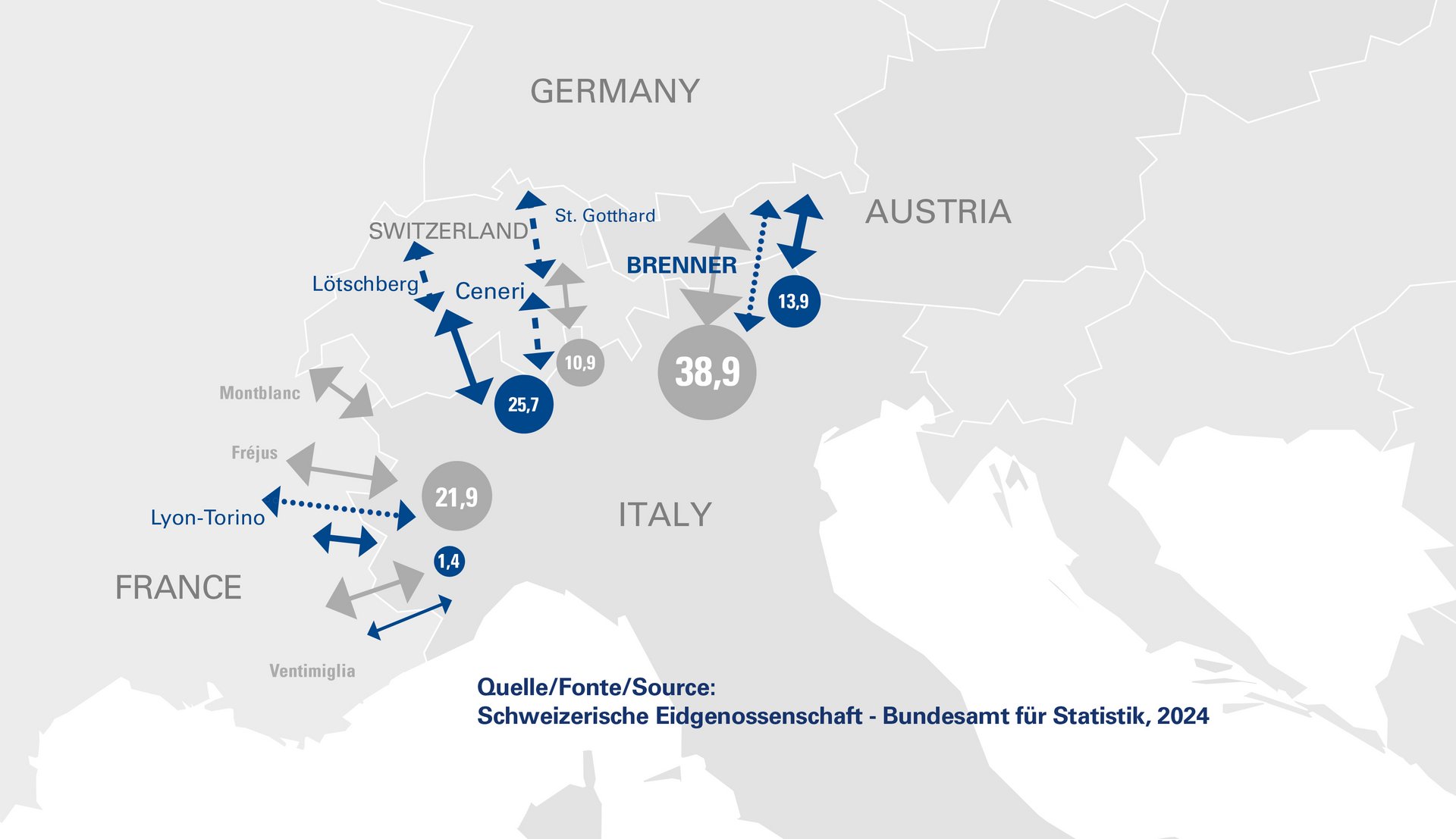
BRENNER CORRIDOR
The railway expansion on the Brenner corridor between Munich and Verona comprises a total of 435 km of new line. Cross-border cooperation is essential in these projects. They form the basis for modern, environmentally friendly rail connections in the heart of Europe. The Munich-Verona railway axis is being expanded in stages. Each sub-project strengthens the efficiency of the entire rail link.
The northern access route to the Brenner Base Tunnel runs between Munich and the Innsbruck bypass, which has been in existence since 1994. The southern access route covers the section between Verona and Fortezza. The multi-track expansion of the Brenner Corridor and the creation of an attractive, efficient railway infrastructure should contribute significantly to the shift of traffic from road to rail.
Under the chairmanship of Pat Cox, the European coordinator for the Scandinavian-Mediterranean Corridor, numerous working groups of the Brenner Corridor Platform are working on solutions for harmonising the different national operating regulations in order to ensure seamless, cross-border rail transport along the entire axis as soon as the BBT becomes fully operational.