
THE CONSTRUCTION LOT IN FIGURES
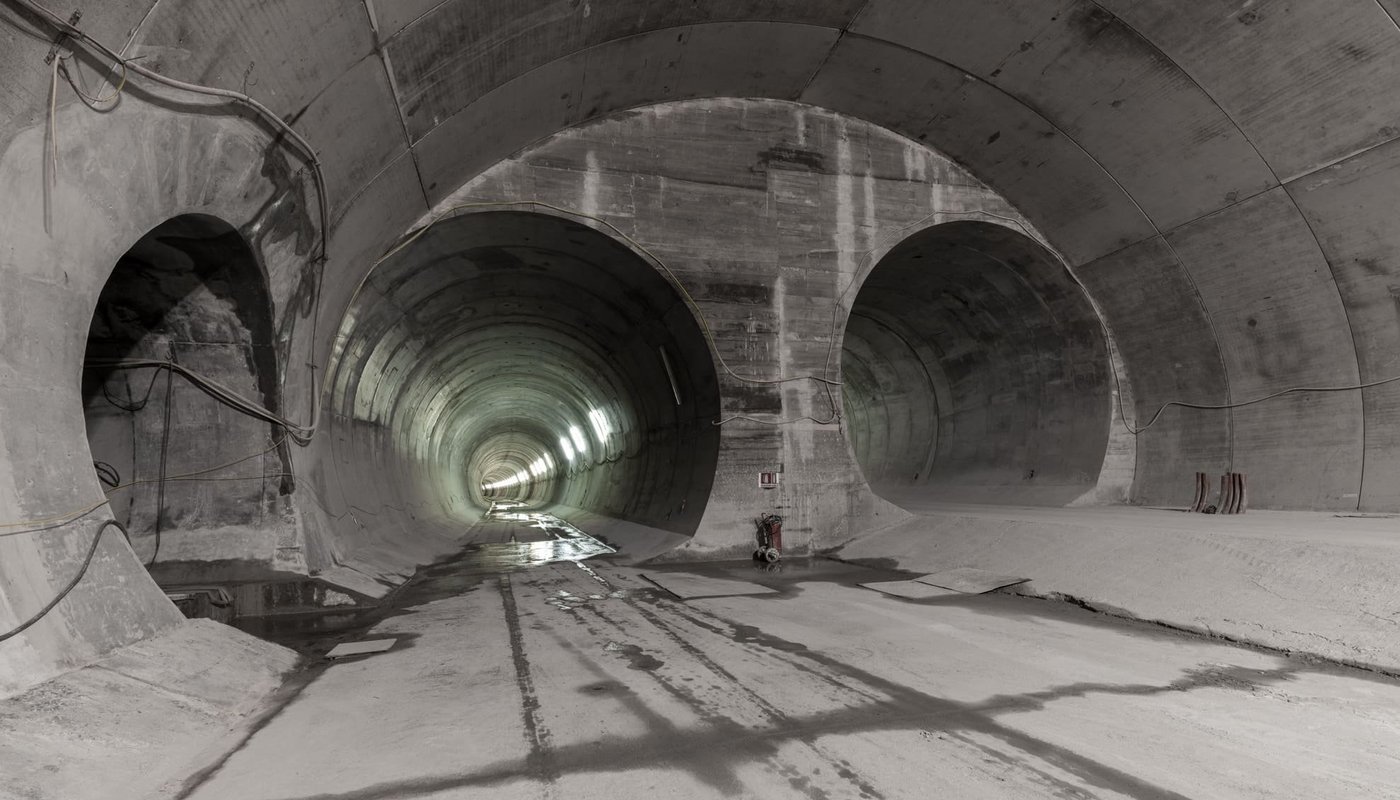
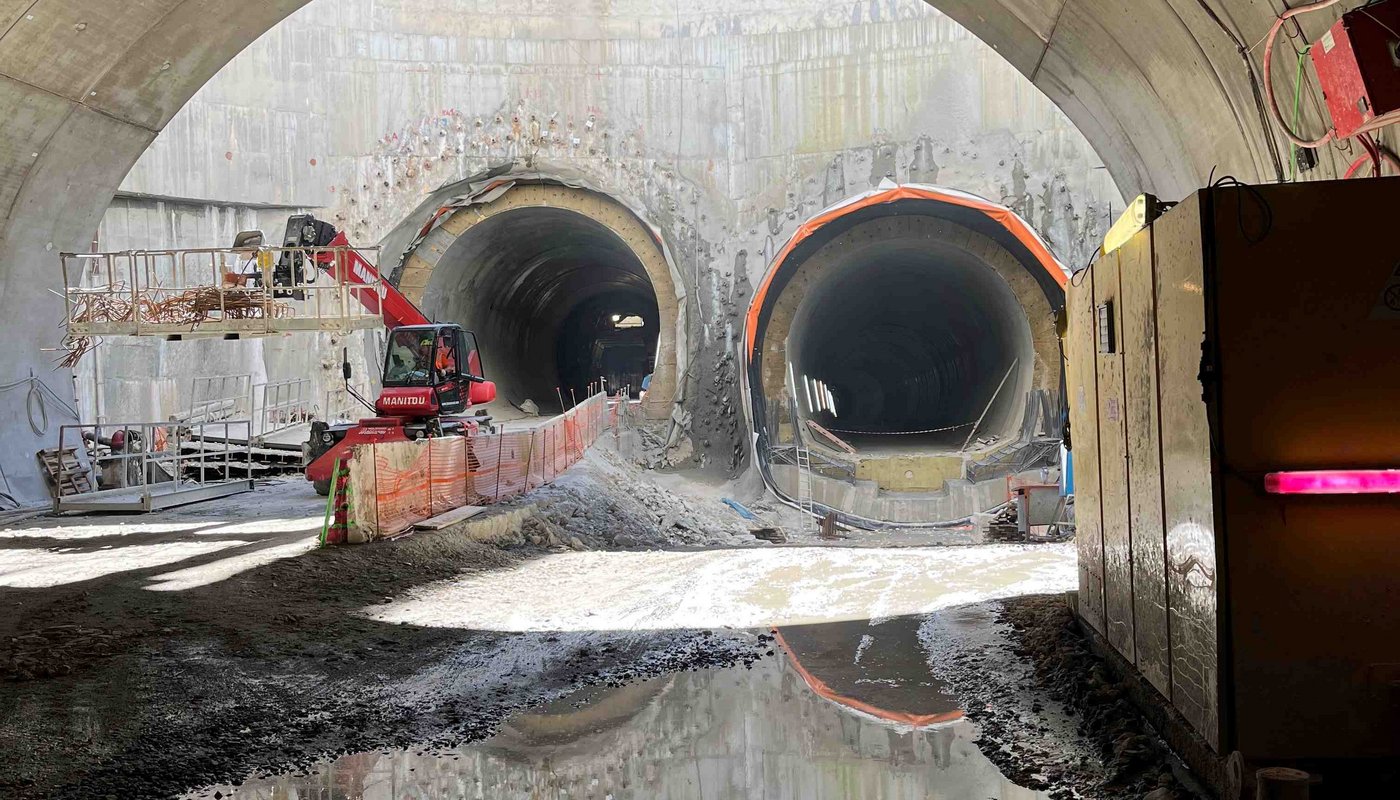
Around 6 kilometres of tunnel were constructed in this construction lot...
.....including 4.5 km of main tunnel.
approximately 1.5 km of connecting tunnel to the existing line and Fortezza station.
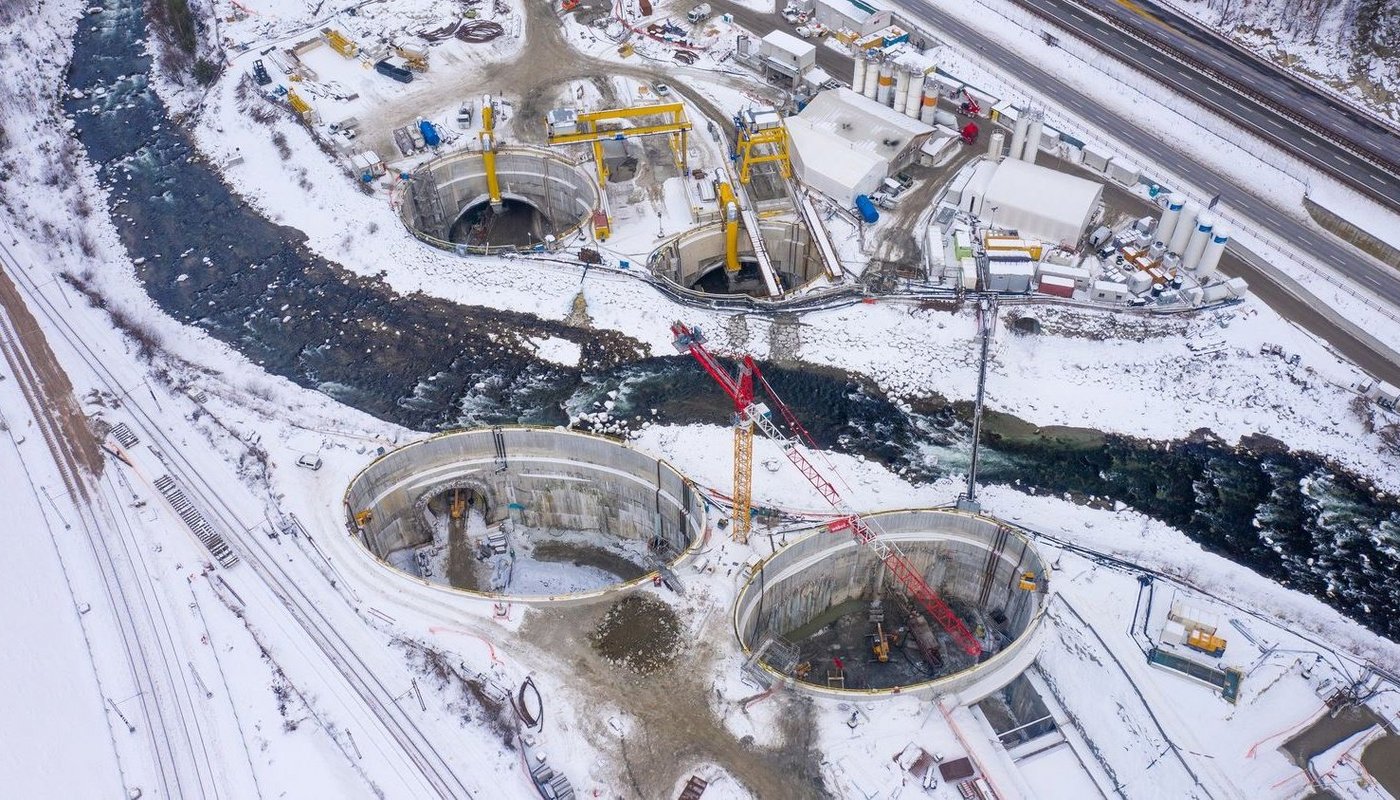
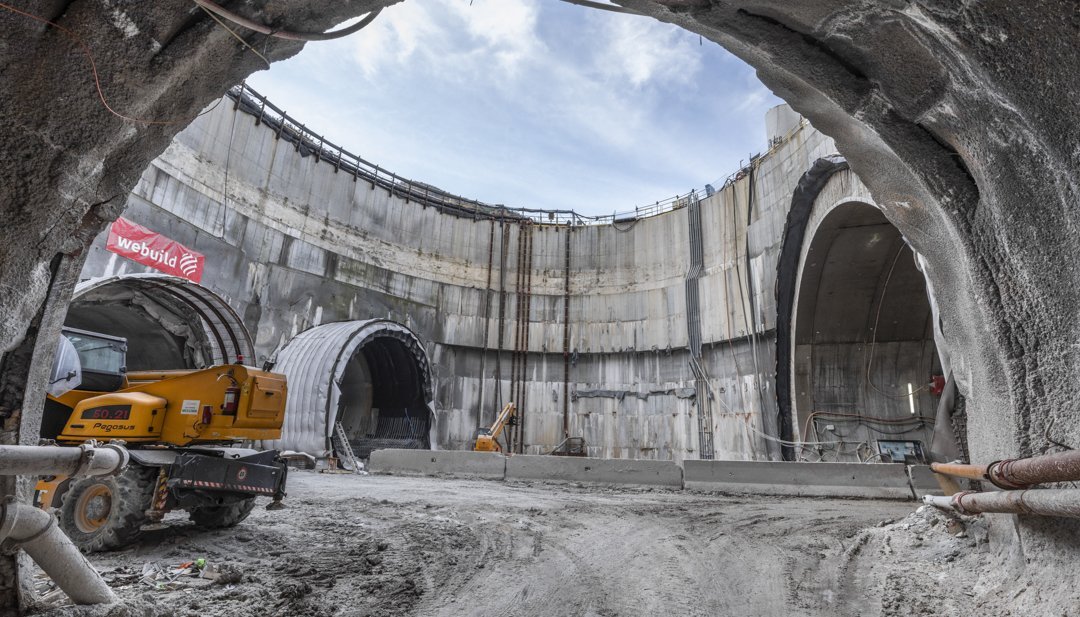
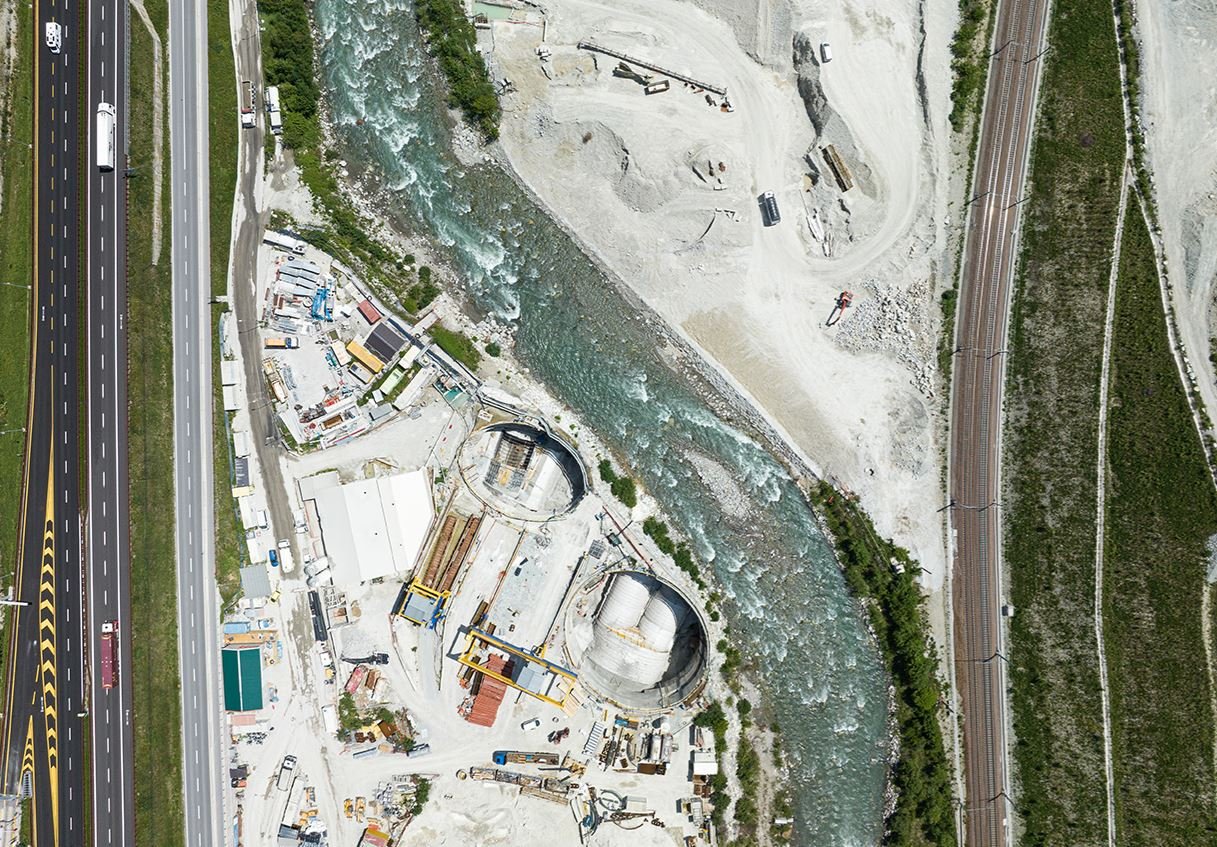
...with a diameter of up to 80 m to tunnel height (approx. 20-25 m depth) were constructed to tunnel under the Isarco river.
Executive construction consortium: Consortium Isarco s.c.a.r.l.: Webuild Italia S.p.A. (ehemals Salini-Impregilo), Strabag AG, Strabag S.p.A., Consorzio Integra, Collini Lavori S.p.A
Contract value: 320 million EUR
COMPLETED

The tunnelling work for this construction lot was completed in December 2022. All other construction work was completed by the end of 2023.
ITA TUNNELING AWARD 2024: WINNER
The ITA Awards (International Tunnelling Association) are an important international award for tunnel projects. Two of our projects made it into the four finalists in the ‘Project of the Year’ category. We are proud of the ITA Awards results: The ‘H52 Hochstegen’ and ‘H71 Isarco River Underpass’ projects took first and second place respectively in the category of projects completed by 2023 with a budget of between €50 and €500 million.
VORTRIEBSDATEN
- Excavation 4.478 m
- Length 4.478 m
- Cross-section 60-150 m²
- Excavation 1.569 m
- Length 1.569 m
- Cross-section 60-80 m²
- Excavation 170 m
- Length 170 m
- Cross-section 35-45 m²
- Excavation 164 m
- Length 164 m
- Cross-section 65 m²
COMPLETED WORK
- Re-routing of the State Road SS12
- Re-routing of the existing railway line
- Construction of bridges over the Isarco and Rio Bianco rivers, an underpass for the Brenner railway and a direct connection to the motorway
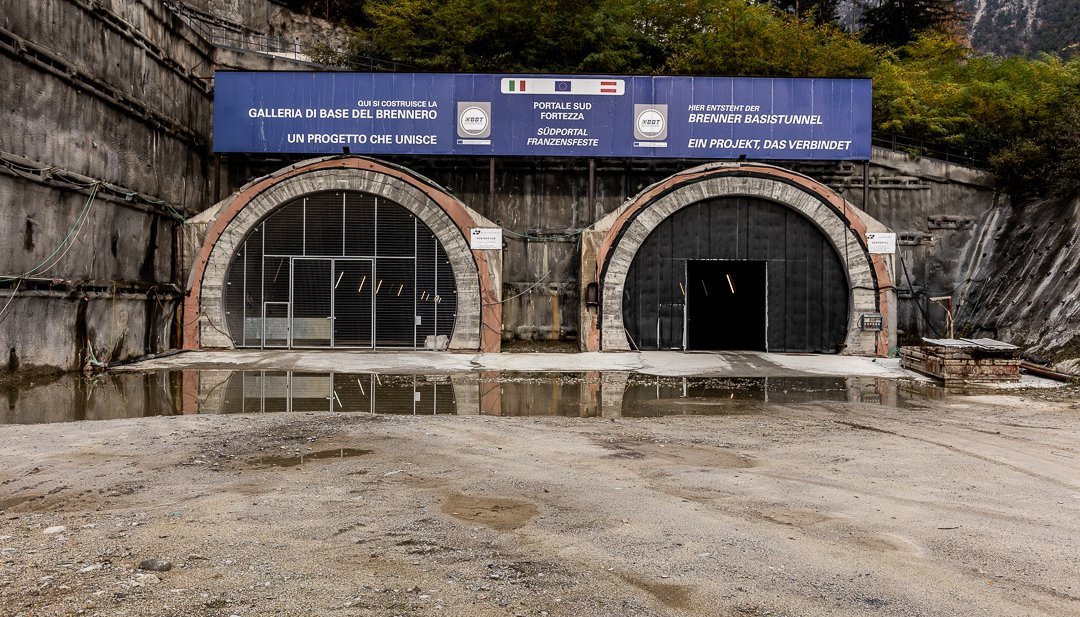
- Construction of four shafts and the south portal of the BBT
- Driving of 4.5 km of main tunnel and 1.5 km of connecting tunnel
- Re-vegetation works on the outdoor facilities

EXCAVATION METHODS
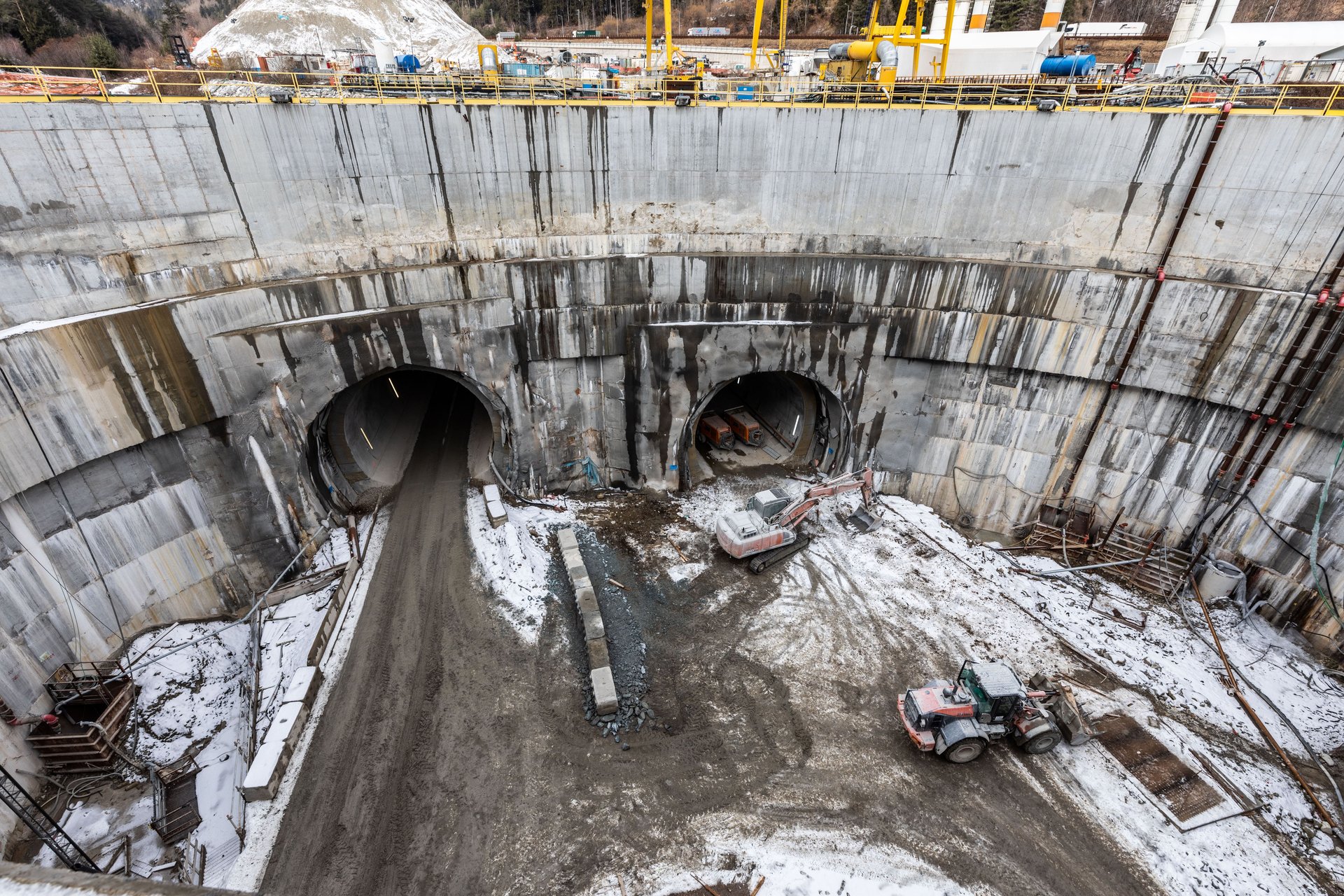
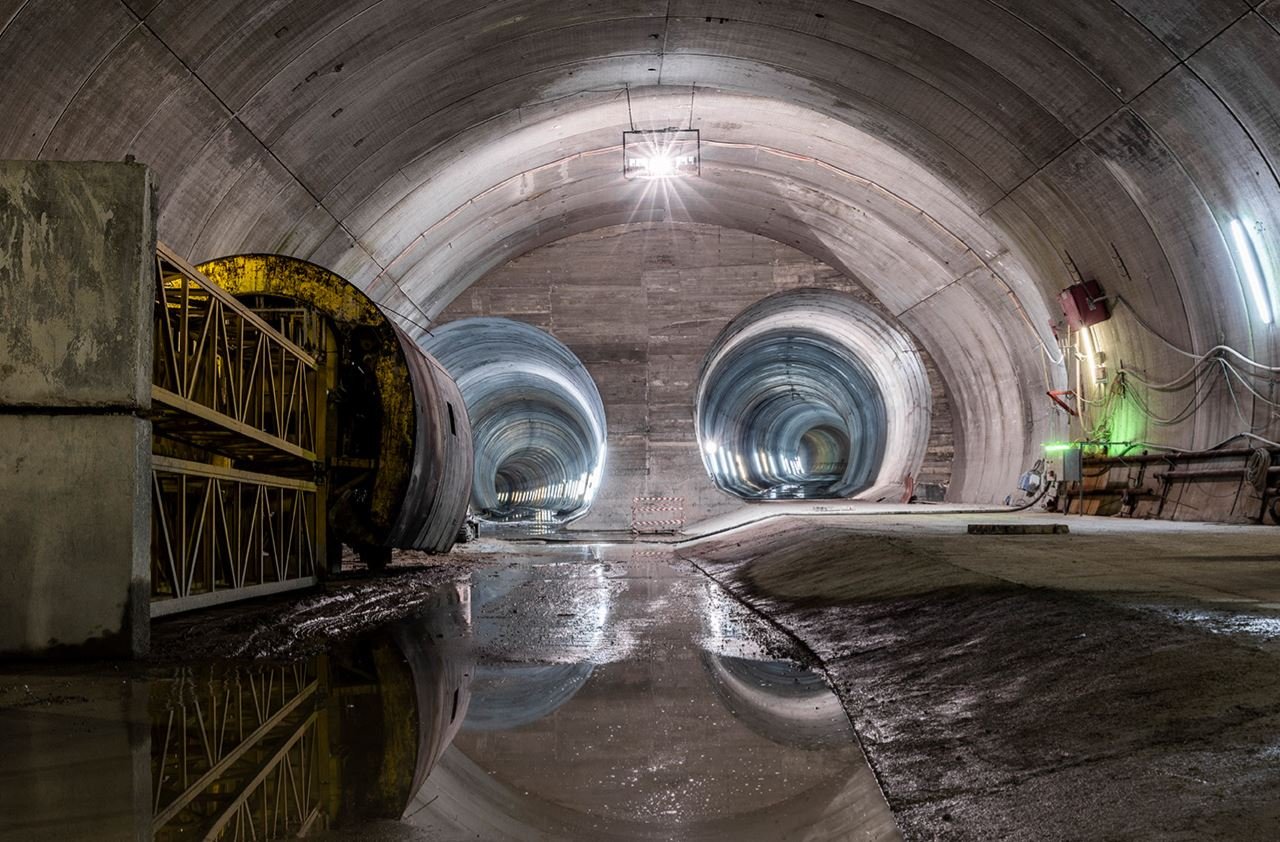
All tunnel sections of this construction lot were built using drilling and blasting under extremely variable geological conditions. Special tunnelling and consolidation methods were used for this purpose.
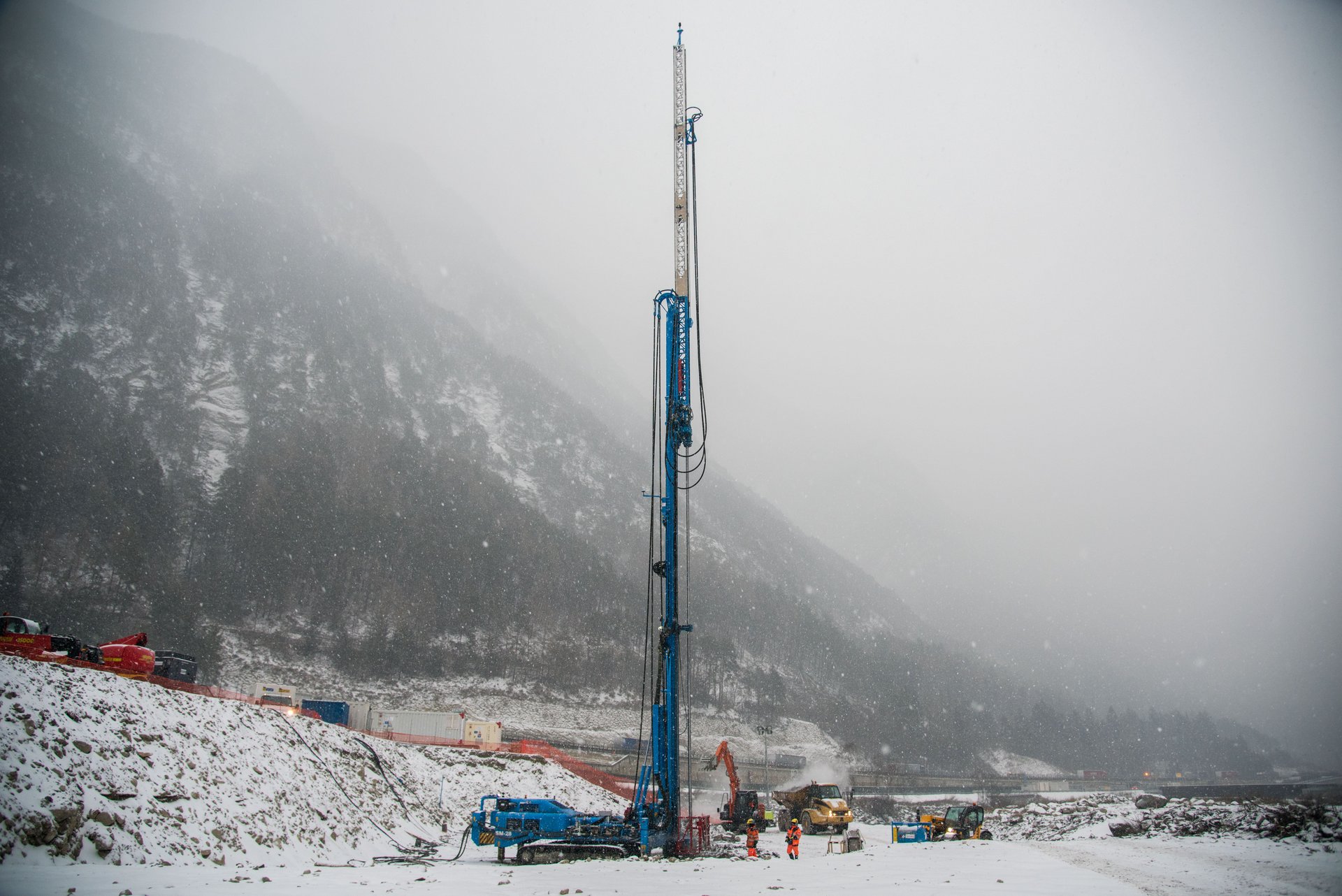
JET GROUTING: In order to allow any construction at all in the mostly loosened rock mass and to prevent the excavated tunnel from collapsing immediately, the loose rock had to be consolidated, i.e. made more stable. Therefore, a cement mixture was injected vertically into the ground from the surface. This created solid, column-shaped structures that made the loose rock more compact, enabling safe excavation with explosives or hydraulic hammers.
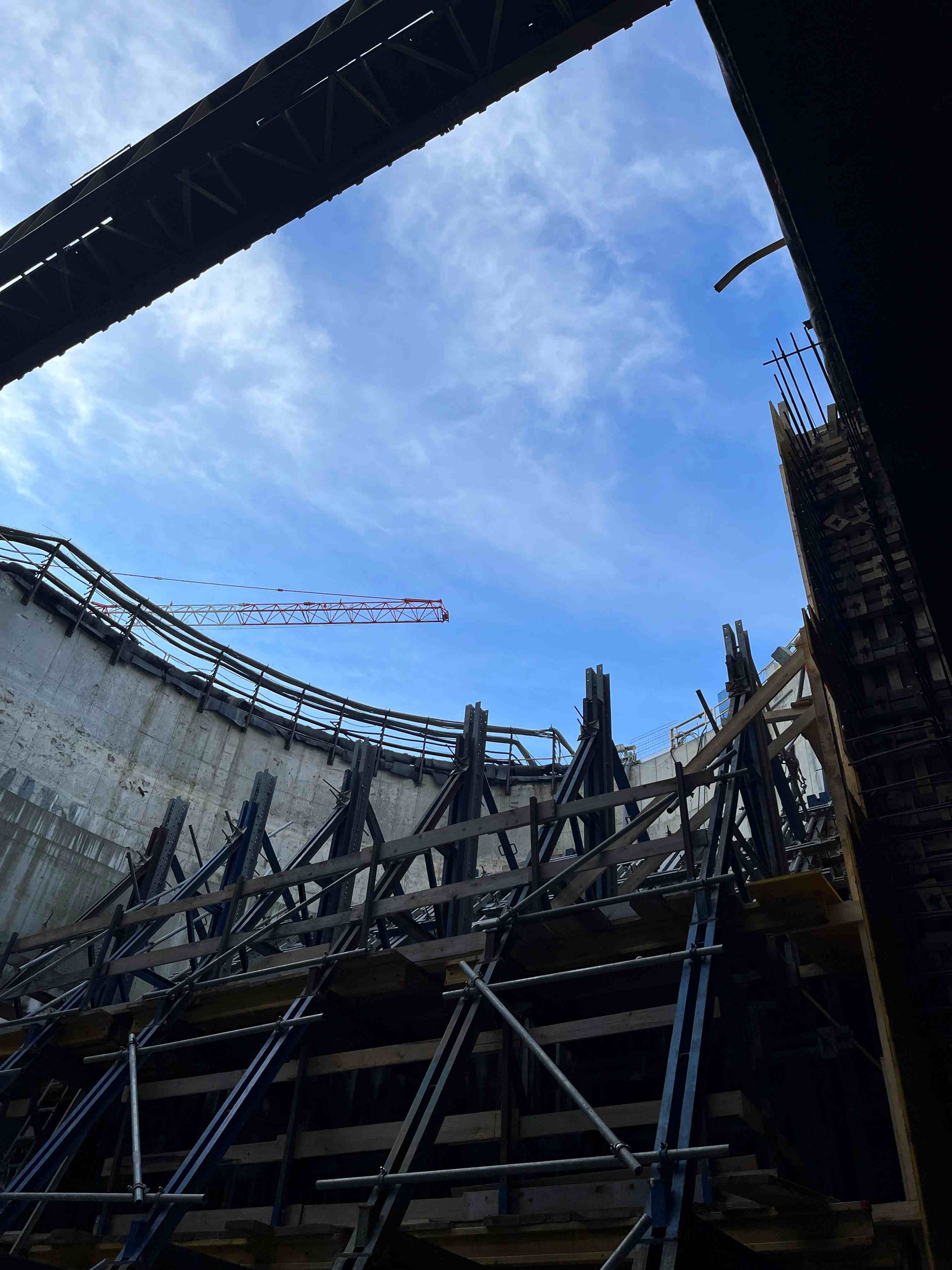
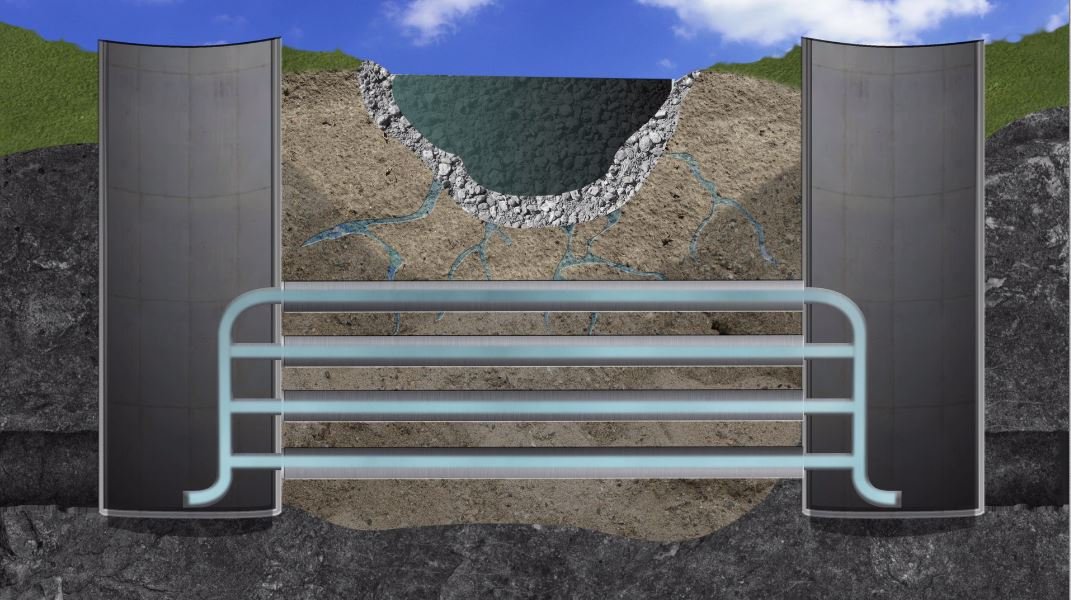
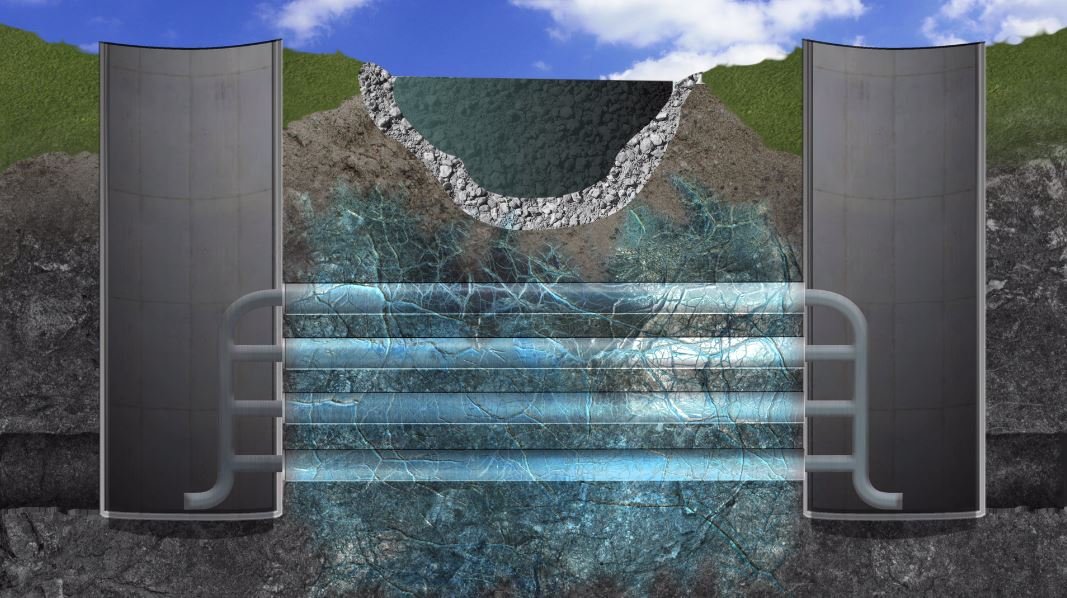
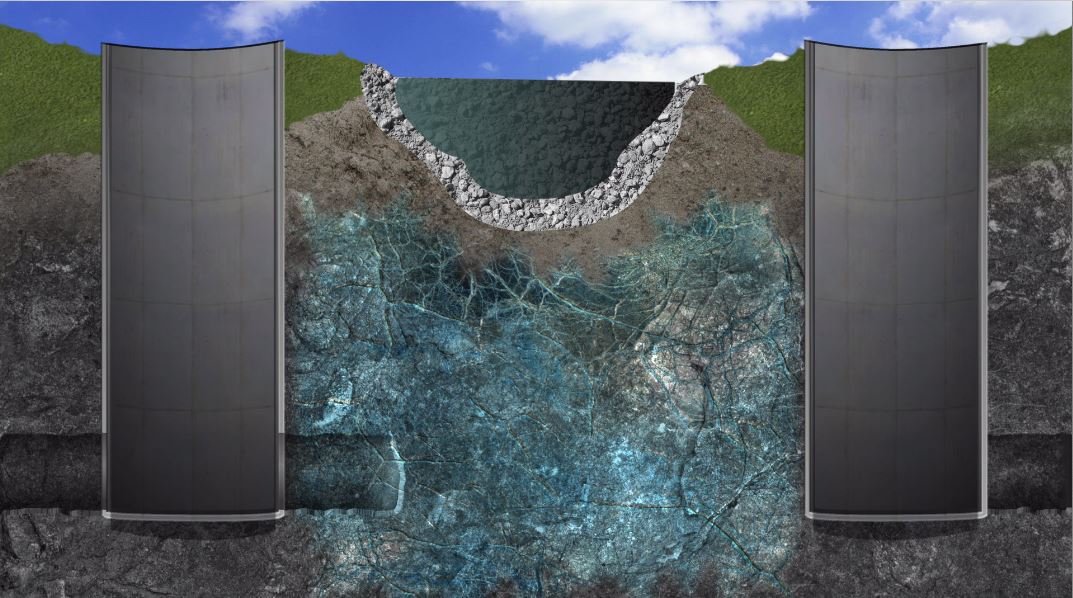
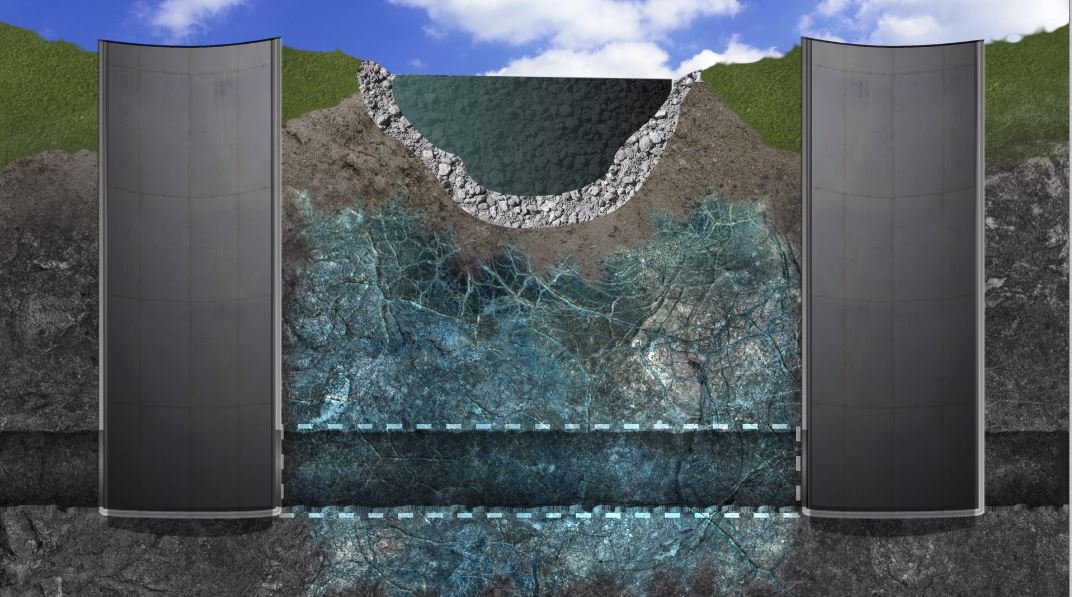
GROUND FREEZING TECHNOLOGY: The Isarco River Underpass represented a particularly challenging stretch. Compared to relocating the riverbed, the solution used to construct the underpass is significantly more environmentally-friendly. Two shafts were built on each side of the river, with an average diameter of 60-80 m and a depth of approx. 25 m. Starting from the bottom of the shafts, excavation works for the tunnel tubes were carried out beneath the riverbed.
1. Starting from the shafts, liquid nitrogen is injected into the alluvial material below the riverbed in a closed pipe circuit.
2. The nitrogen then freezes the water in the ground below the river.
3/4. Once frozen, the solid ground allows the excavation works to be carried out with the usual excavation methods until a continuous passage is created between the two sides of the river.
The tunnel will be insulated to make it watertight and lined with concrete so that no water can penetrate even once the freezing phase is over.
SPECIAL FEATURES OF THE CONSTRUCTION LOT
Protecting the environment and climate is not just a priority for the period after the Brenner Base Tunnel becomes operational. Since the start of the work, sustainability has been a priority in every phase of the project and on all construction sites of the Brenner Base Tunnel.
In construction lot H71, for example, the entire construction site was re-vegetated after completion of the work in order to restore it to its original condition. This was achieved by planting over 50,000 trees and shrubs. Among other things, this created an ideal transition area (ecotone) between the edge of the forest and the valley floor.