WITH NATURE
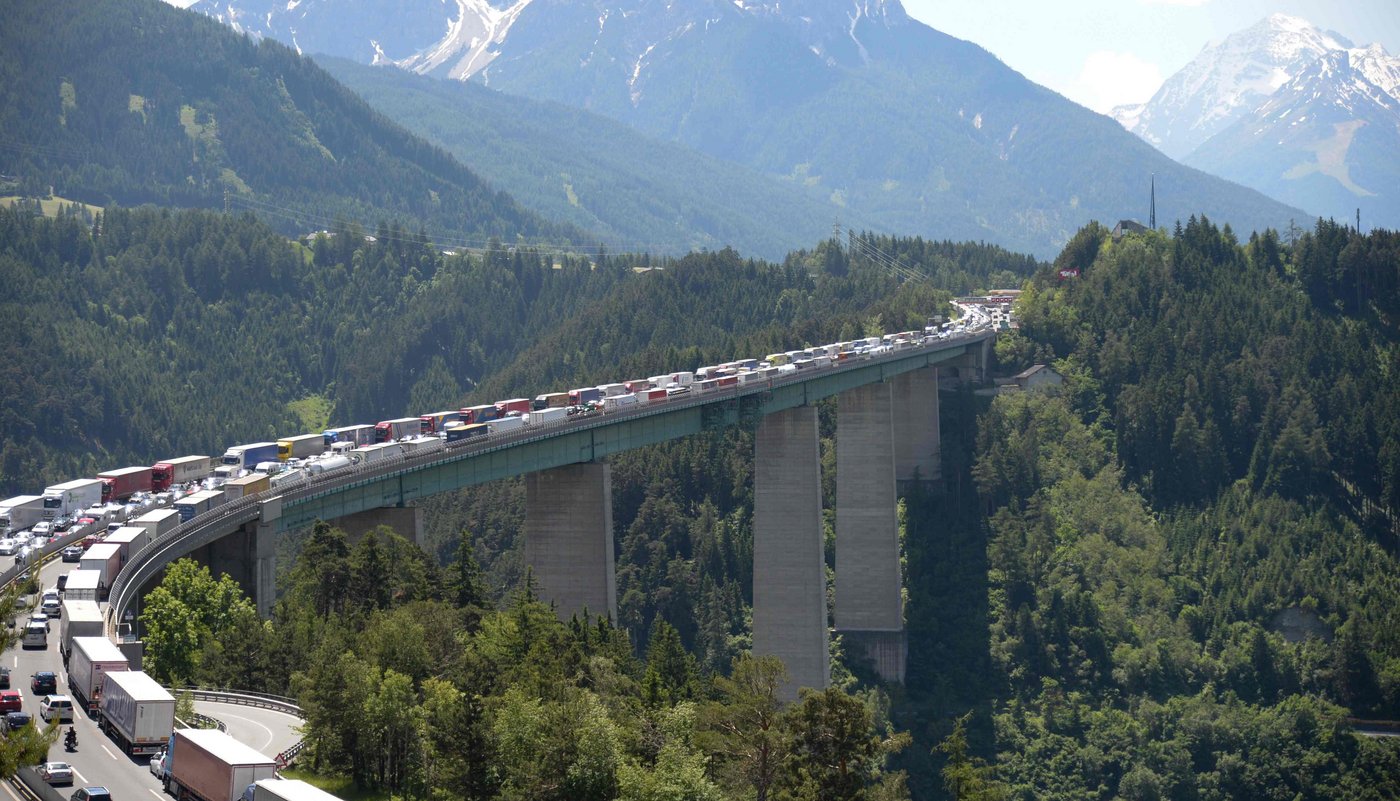
We are building an innovative infrastructure that will help drastically reduce CO₂ emissions from heavy transport in the future. But for us sustainability won’t start with the commissioning of the Brenner Base Tunnel: it’s already a part of our work during the entire construction phase.
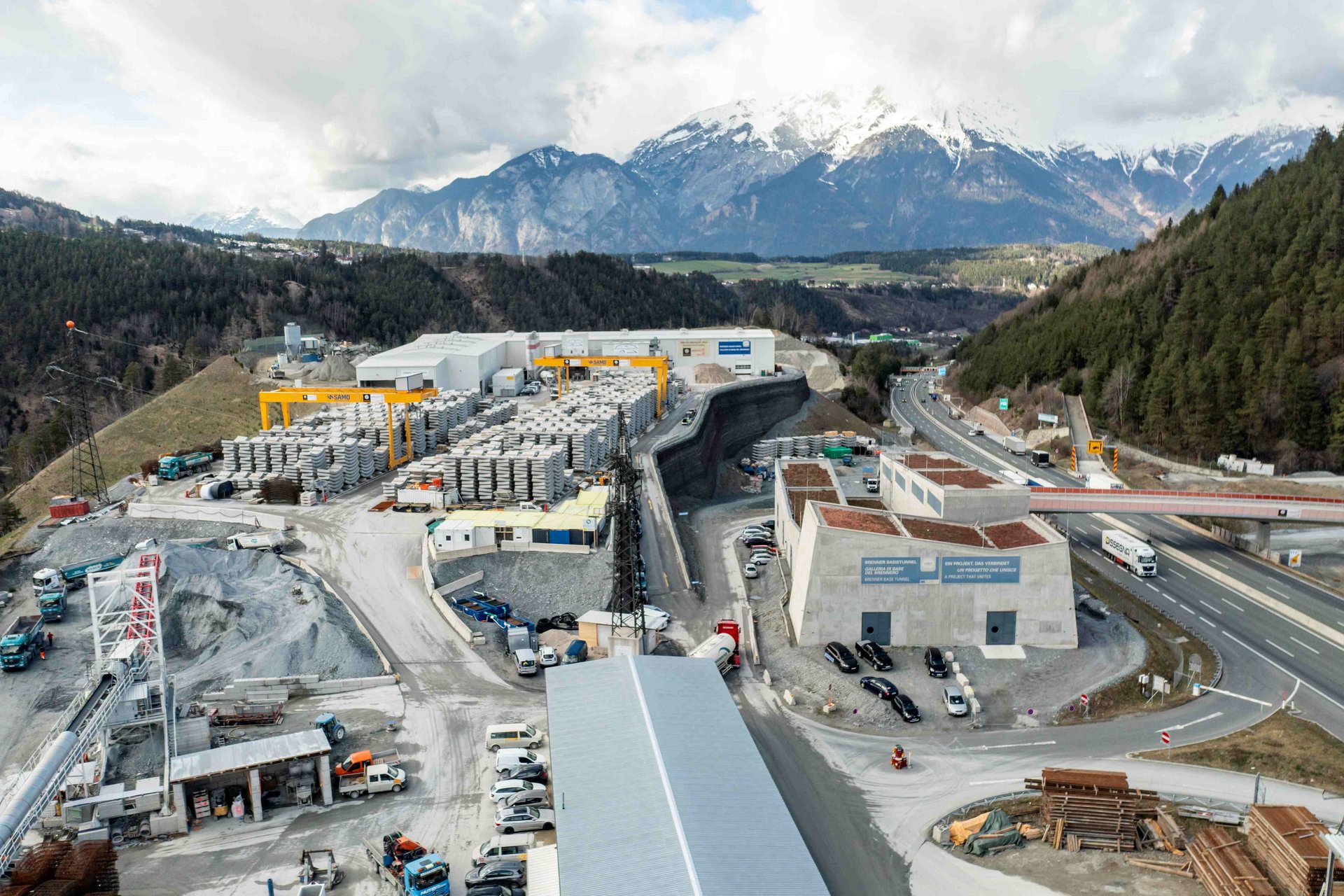
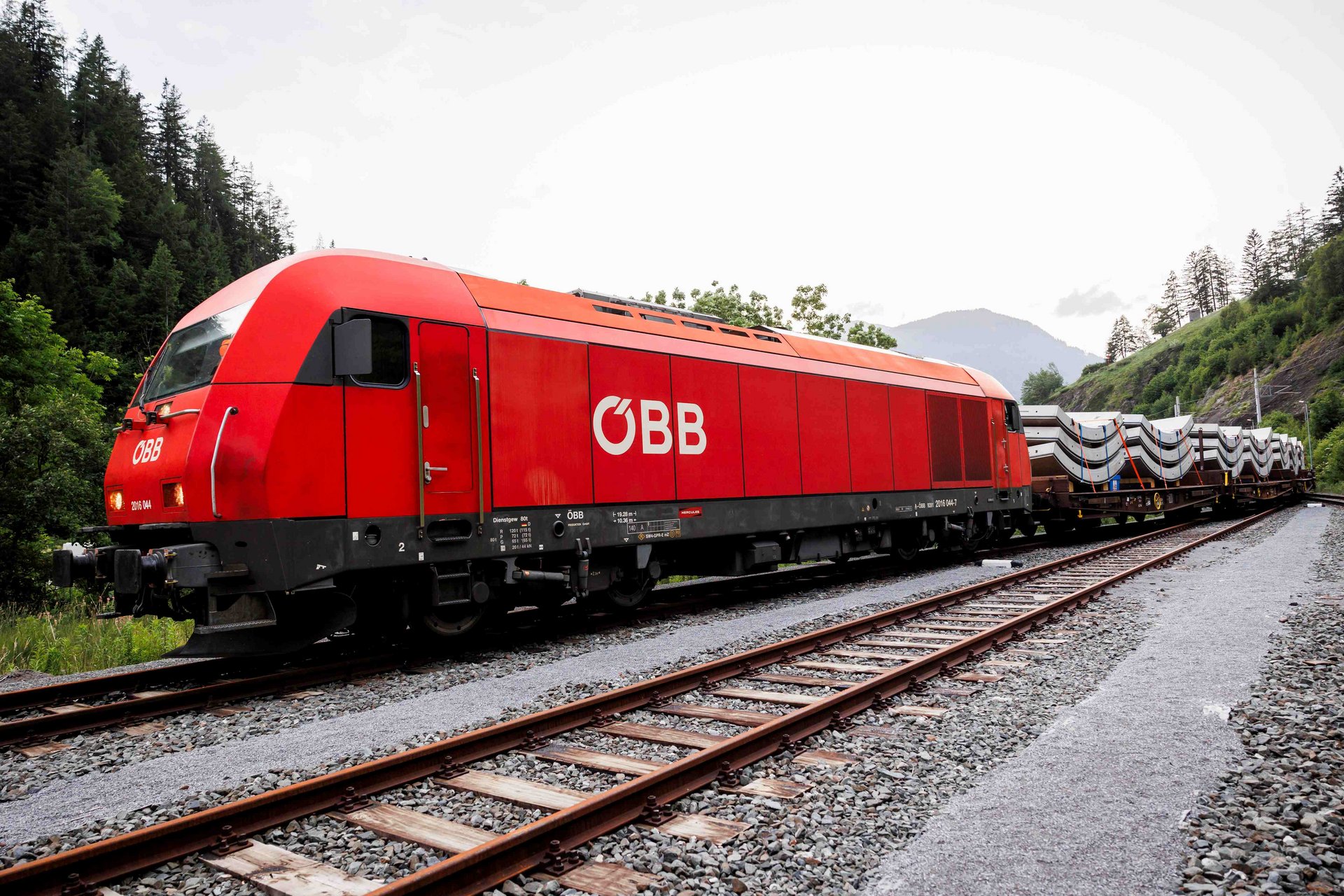
In the H41 Sill– Pfons Gorge lot, the precast concrete elements are produced directly on the construction site. In the H53 Pfons-Brenner lot, on the other hand, they are delivered by rail. Both solutions effectively reduce heavy traffic on the road and avoid numerous supply journeys using heavy lorries.
We have also adopted environmentally sustainable solutions in spoil management: the disposal areas, located close to the construction areas, are designed so that most of the excavated material can be transported directly from the tunnels via conveyor belts - cleanly, efficiently and with low noise impact.
The environmental effects of the works are also constantly monitored in order to reduce any impact to a minimum. So not only are we building an efficient transport link through the Alps, but we’re doing it in a way that respects nature.
MITIGATION MEASURES
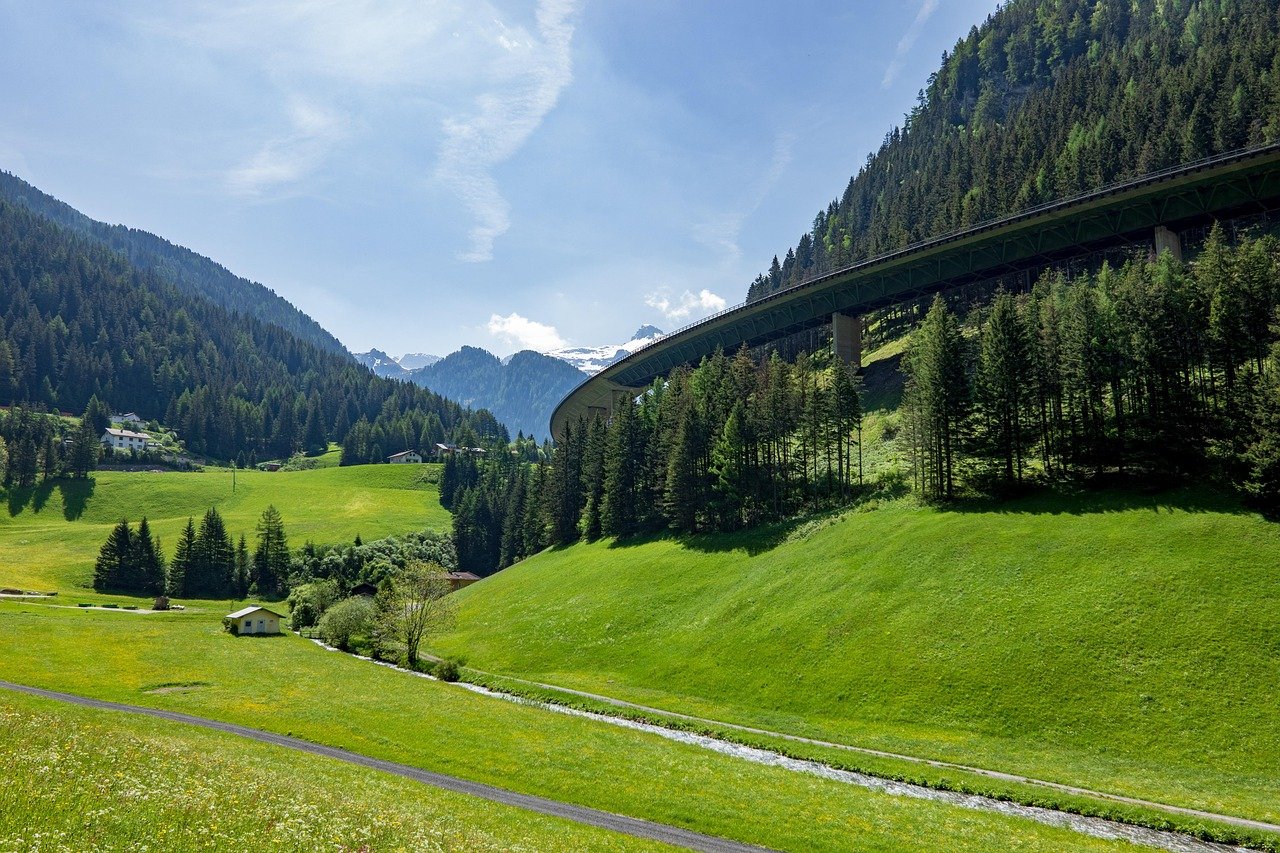
The construction of the Brenner Base Tunnel is more than just carrying out an infrastructure project. It shows how modern engineering can go hand in hand with a responsible and environmentally friendly approach. From the outset, each railway tunnel was designed in such a way as to minimise the impact on the landscape and keep environmental impacts as low as possible.
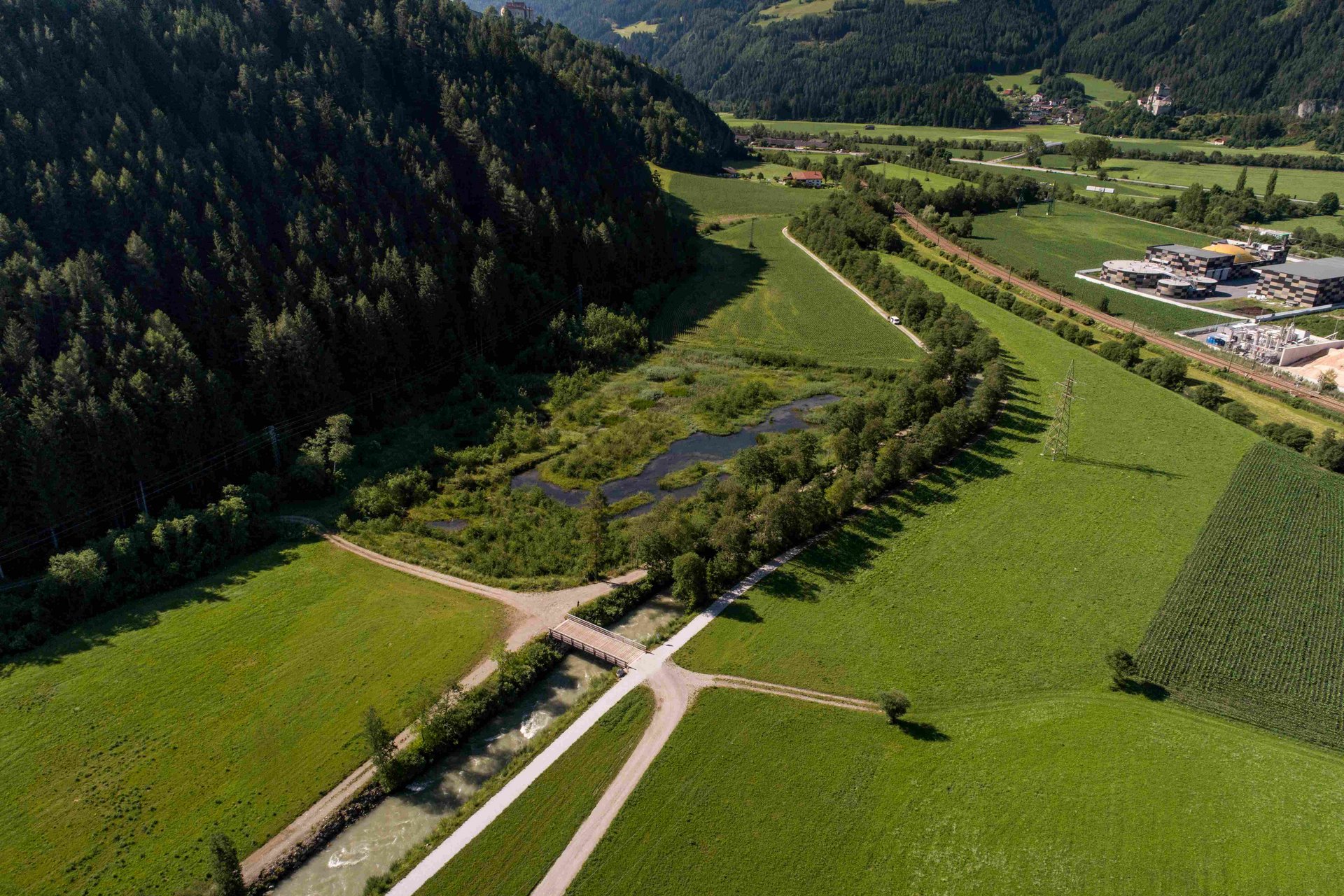
In this, an important role is played by so-called environmental mitigation measures, which aim to compensate unavoidable interventions on nature and habitats with benefits in other areas and to achieve an overall ecological improvement in the long term. In the Italian project area, some 50 million euro have been earmarked for this purpose. Examples include the restoration of the Ridanna brook near Vipiteno and the creation of a new biotope in Kircherau.
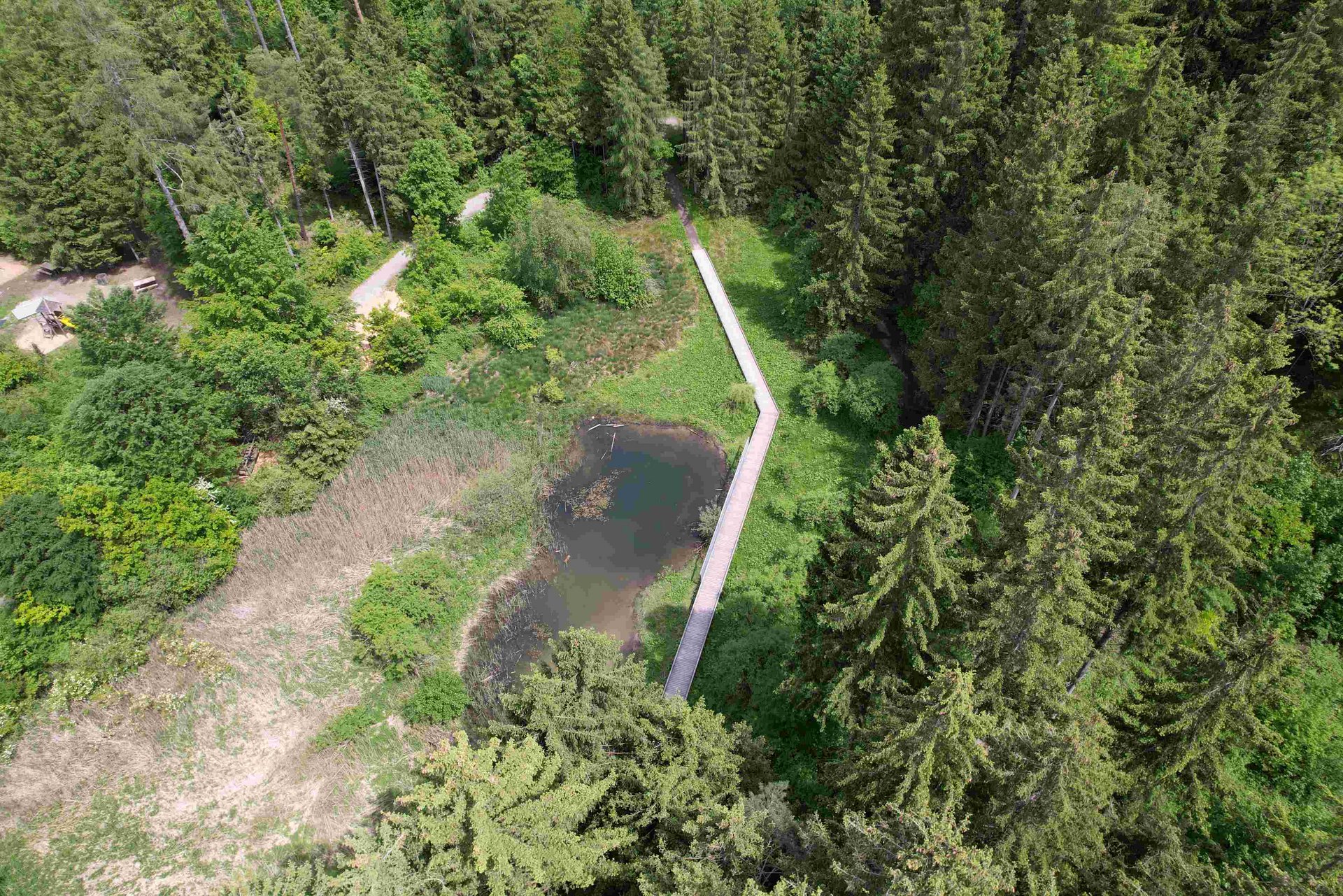
In Austria, too, such measures have been defined and implemented as part of the environmental impact assessment procedure. For example, the waterways of the Sill river and the Navis brook were restored, with the aim of enhancing important habitats for local fish fauna. The Tantegert forest peat bog was also restored to create a natural recreation area on the edge of the city of Innsbruck. All these measures clearly demonstrate that we are not just committed to the construction of an efficient railway infrastructure, but also to ensuring that nature is as intact - and in many cases even improved - as possible when the work is completed.